How We Check Scary Phone Numbers
A month next to a creepy number only helps if you know where it came from. This page explains what each date and label on this site means, what we accept as evidence and what we never do. The short version: this site places no test calls, and every status rests on a dated public source that can be traced and corrected. The numbers we track all follow these rules.
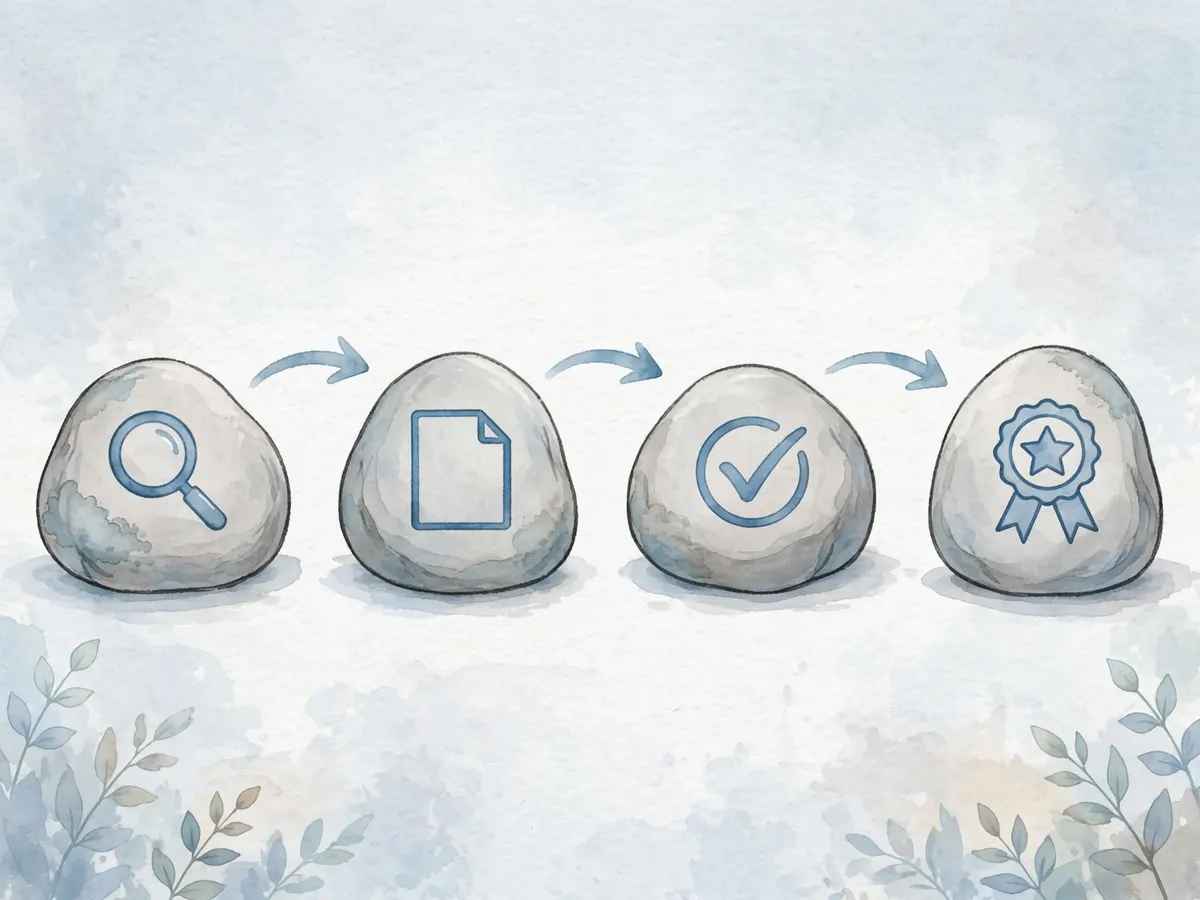
We place no test calls
This site places no test calls. Nobody here dials a line to hear what it plays, so no page claims a first-hand call. We do not invent call logs, recordings, screenshots or test results. The label "Working" is never used, because it would mean we had confirmed the line ourselves. When a page says a line was reported working, a source reported it, and the wording is deliberate.
How do we decide a number still works?
A number counts as Reported working only when a dated source says it answered in the last 12 months. That means either one credible source, such as the owner's own page, a regulator or named press, or two independent users with dated reports.
- One comment or one user report is not enough. The line stays Unconfirmed.
- A library, university or government body's own page for its public line counts as one source. A novelty line's page does not.
- Lists that copy each other are a single claim. We trace it back to the earliest copy we can find.
- Search demand, People Also Ask boxes and competitor lists show what people ask and believe. They never settle a status.
When the newest report passes 12 months, the badge ends. The line then shows a dated note instead.
What do the dates and labels on a page mean?
Two dates can appear: the month a source last reported the line working, and the month we last looked. A line without a recent report carries both in one note: "last reported working" with a month, then "checked" with a month. We do not show an Unconfirmed badge. The note gives the age of the evidence, which is the useful part. The table on our home page lists only the month of the newest report.
These labels do appear:
- Reported working: the 12-month rule above is met.
- Legend only: a tale with no confirmed line behind it, or a number that cannot exist on any network.
- Dead: the line once worked, and credible evidence says it no longer plays its content.
- Suspended: a carrier or regulator took the number out of service.
- Disputed: credible sources disagree about what the number does now. The page gives both sides and says which is newer.
- Real person: the digits reach, or are reported to reach, an individual. We withhold them.
- Do not call: calling risks harm or cost.
What do we do with a story we cannot confirm?
We tell it as what it is, and never call it fake without proof. A claim nobody can confirm is not a hoax.
- Documented line: a studio, game maker or attraction set it up. We credit the owner and give the date of the newest evidence.
- Urban legend: we write "the story says" and then what is known about where it started.
- Fiction: the number comes from a film, game or written work. We name the work.
- Unverified: we write "we could not confirm" and stop there.
- Contradicted: a regulator, an impossible area code or a fact-checker's finding says otherwise. The truth comes first, with its source.
Why do we print some numbers and leave others out?
We print a number unless dated evidence shows harm. That means one of five things: it belongs to a private person who never published it, it was reassigned to someone unconnected to the legend, it is an adult or premium-rate line, its owner asked us to remove it, or it is an emergency or crisis line used as a dare. "We do not know who owns it" is not a reason on its own.
Lists of "red numbers" name ordinary people's mobile phones in a death rumour. We tell that tale and print none of the digits. Emergency and help lines appear only as help information.
No number on this site is a tap-to-call link. Each printed number carries the same note: if a person answers, apologise and hang up.
Does printing a number mean we tell you to call it?
No. A page invites you to call only when all five of these hold, each with a dated source:
- The operator published the line for the public to call.
- It was reported working in the last 12 months.
- There is no sign of extra charges, a scam pattern or collection of personal details.
- It is not an emergency, crisis or support line.
- Nothing suggests an ordinary individual or an unrelated business now answers it.
A line that fails any of these is still covered as a record or a legend, with its status, and we do not suggest dialling it.
How often do we re-check?
Lines reported working are reviewed every quarter, in January, April, July and October. Every number gets a full re-check each April. A badge can end sooner, because it lapses when its newest report passes 12 months. Each review updates the status and the "checked" month, and every article that mentions the number shows the new status.
If a reader or an owner tells us a printed number connects to someone who never published it, we remove the digits the same day.
Who checks the pages, and how do I report a mistake?
Jasim runs the site and signs off each article before publication. More about the site is on the about page.
If a status looks wrong, or you own a number we list, tell us. The remove a number guide says what to send, and you can reach us through the contact form. We compare every correction with public sources before we change anything.